

Welcome to the Flourish and Barks Library
Welcome to the Library, a curated collection of scrolls and moving portraits gathered from the far reaches of the modern world… also known as Google. Within these digital shelves, we have archived the collective knowledge of the great Trainers, Behaviorists, and Healers who have come before us.
What You Will Find Within These Shelves:
Illustrated Parchments: Visual breakdowns of foundational charms and behaviors to guide your daily practice.
Moving Portraits (YouTube): Expert demonstrations of magic in motion, from basic focus to advanced navigation.
Scholarly Treatises: Articles and insights into the canine mind, exploring the "Mental Alchemy" behind your beast’s behavior.
Healing Arts (Veterinary Studies): The latest findings from the magical world of veterinary medicine to ensure your companion’s physical vessel is as strong as their spirit.
A Decree from the Head Trainer:
A Note on the Healing Arts: While Flourish and Barks aims to provide information we deem interesting, informative, and helpful, these archives are intended for educational enrichment only. The scrolls within are in no way an expression of medical opinion or a replacement for the specialized wisdom of your Trusted Healer (Veterinarian). Always consult your clinic’s trusted staff for matters regarding your magical beast's physical health and safety.
*The hunt for knowledge never ends. We are perpetually expanding the Library with new findings from the far corners of our magical world.Printable Handouts

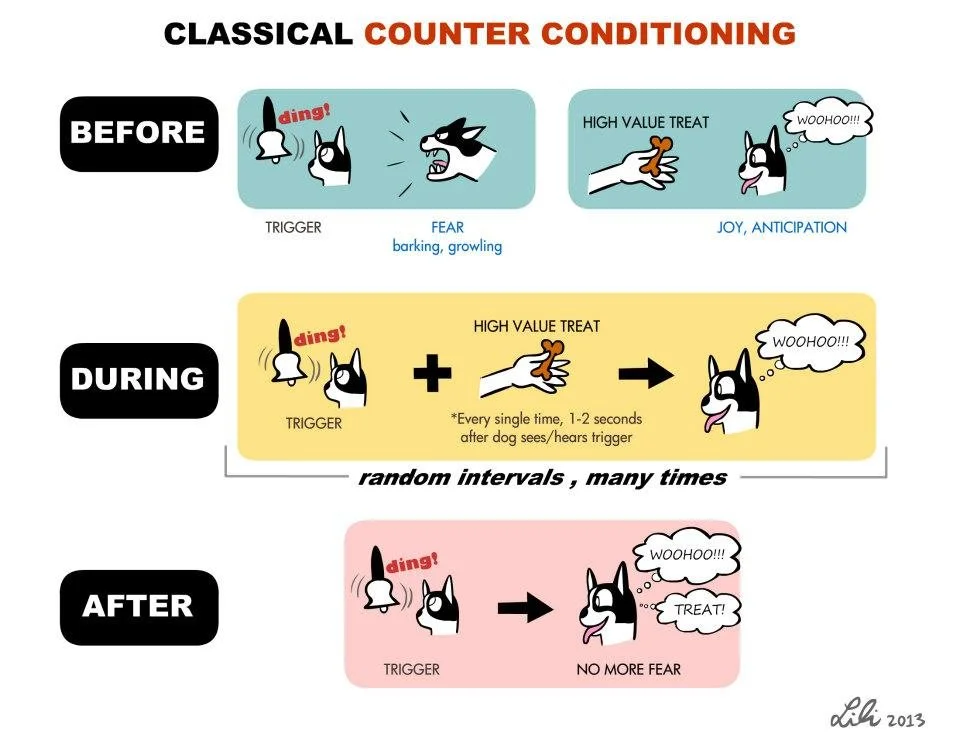


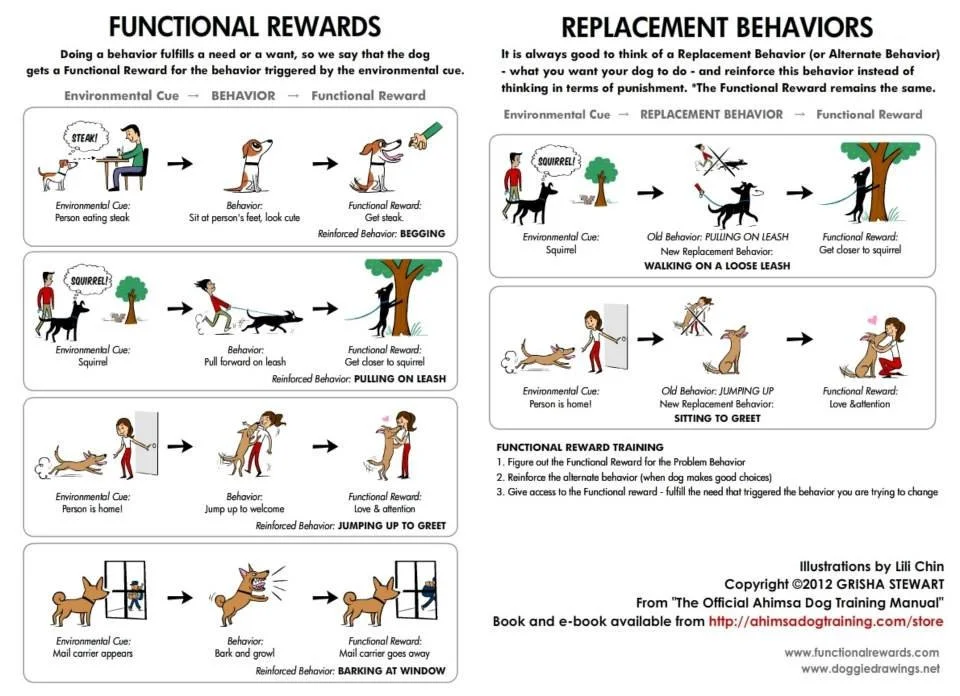

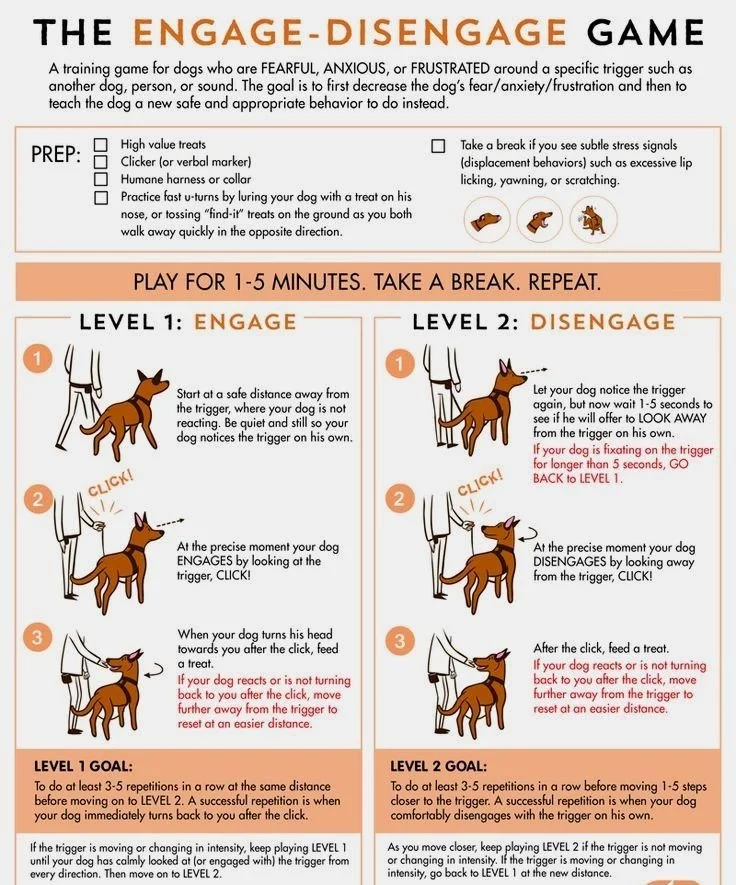

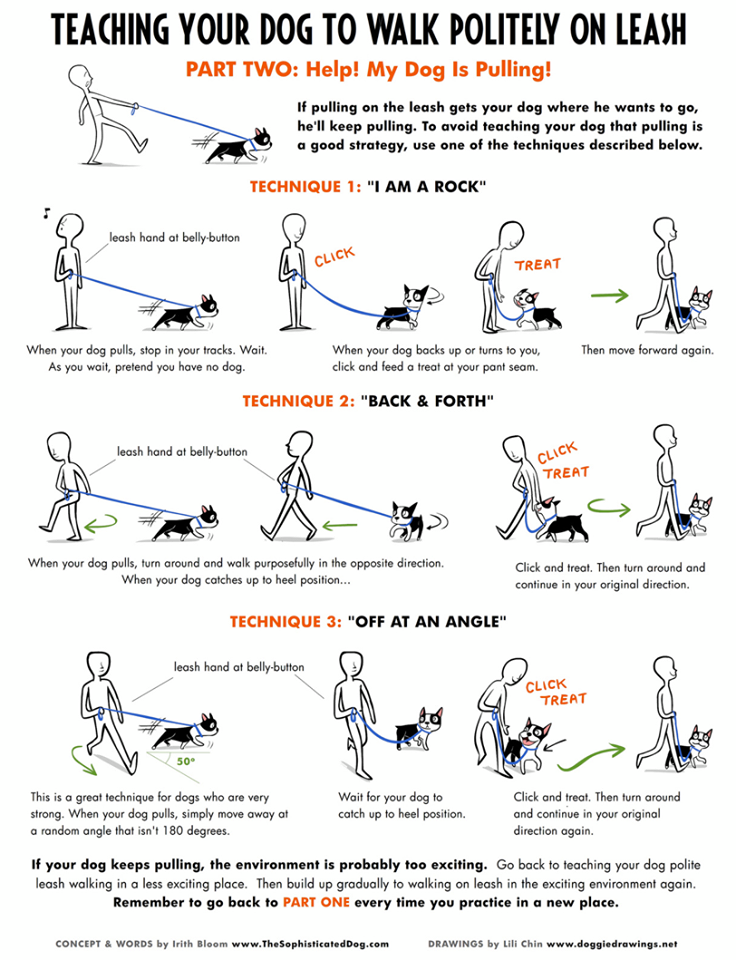


Helpful Videos
Exploring New Research in Dog Behavior
New Advances in Attention-Deficit/Hyperactivity Disorder-like Dogs
A recently published review by researchers Ángela González-Martínez, Susana Muñiz de Miguel, and Francisco Javier Diéguez explores growing evidence that some dogs may display behaviors similar to Attention-Deficit/Hyperactivity Disorder (ADHD) in humans. The paper discusses how impulsivity, hyperactivity, difficulty focusing, and emotional regulation challenges may be influenced by both genetics and environment, while also emphasizing the importance of ruling out unmet needs, stress, medical issues, and training history before labeling behavior as “ADHD-like.” Researchers also reviewed possible links to neurotransmitters such as dopamine and serotonin, along with the role of enrichment, behavior modification, and lifestyle management in improving quality of life for dogs and their families.
As with all emerging behavioral research, this topic is still developing and there is currently no universal veterinary diagnosis for canine ADHD-like behavior. We encourage dog owners to read the research themselves, speak with qualified veterinary and behavior professionals, and approach online claims with thoughtful curiosity and critical thinking.
Exploring the benefits of Lactiplantibacillus plantarum Strain (LP815TM)
A newly published study by Emmanuel M. M. Bijaoui and Noah P. Zimmerman explored whether a specific probiotic strain, Lactiplantibacillus plantarum LP815™, could help reduce anxiety- and aggression-related behaviors in dogs. In this randomized placebo-controlled trial, 40 dogs received either the probiotic or a placebo over several weeks while researchers monitored behavior changes through owner questionnaires and activity tracking. Dogs receiving the probiotic showed measurable improvements in fear, anxiety, aggression-related behaviors, sleep consistency, and post-departure settling compared to the placebo group. Researchers suggest these effects may be connected to the gut–brain axis and neurotransmitter activity, though additional independent research is still needed.
As with all emerging behavioral science, no supplement should be viewed as a standalone solution for aggression or anxiety, and behavior concerns should always be evaluated alongside training history, environment, medical factors, stress levels, and overall welfare. We encourage dog owners to read the research directly, discuss concerns with qualified veterinary and behavior professionals, and continue exploring evidence-based approaches to canine behavior.
Published Research: New Advances in Attention-Deficit/Hyperactivity Disorder-like Dogs
Assessment Scale: Dog Impulsivity Assessment Scale (DIAS) By Wright, Mills & Pollux, 2011
Verb Biotics GABA Pet LP815®: Unlocking canine wellness with microbiome science
Primitive Probiotics for Dogs – Species-Specific & Soil-Based Dog Probiotic Supplement for Gut Health, Digestion, Immune & Calming Support
*contains LP815